


The Max Factor: Interview with Agros Founder
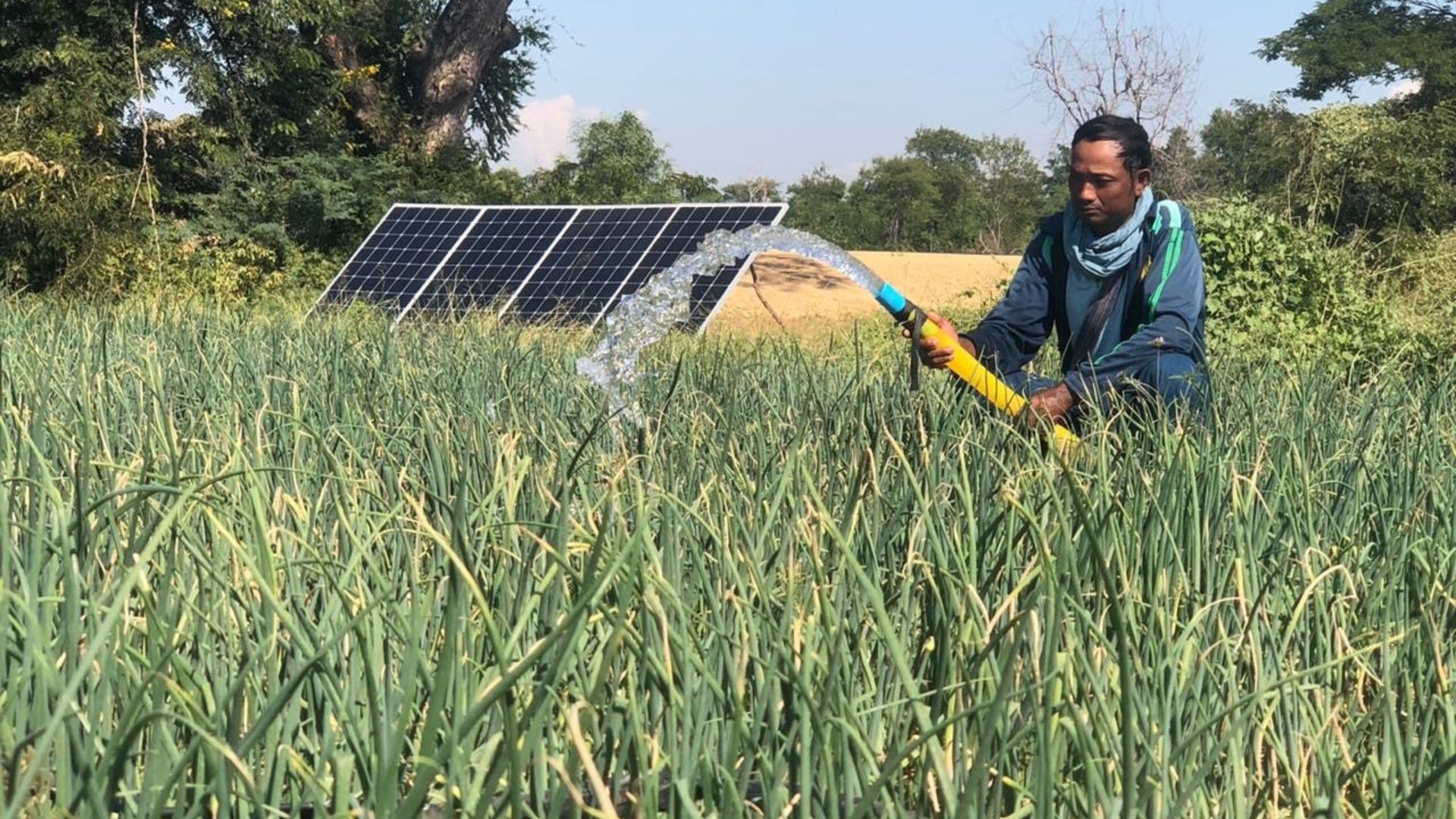
Singapore, 21 March 2023 – Founded in November 2019 by Max Nelen, Agros is a social enterprise that supplies solar-powered irrigation systems to farming communities in Myanmar and Cambodia.
“When you are starting up (in the social enterprise space), few investors who are keen to finance the working capital or are willing to take the risks in the initial fundraising rounds,” says Max.
Leap201 provided a S$100K loan in 2022, to support his vision of making rural farming in Southeast Asia more profitable and more resilient to climate change. The agri-tech start-up has since raised US$2.7 million in a pre-Series A funding round in March this year.
Agros’ ambition is to become Southeast Asia’s first sustainable agriculture platform by building a digital ecosystem that bundles technology, finance and advisory services that will enable farmers to make a profitable transition from conventional to regenerative farming.
GROWTH PLANS
To date, some 1,200 households in Myanmar and more than 300 households in Cambodia have benefited from Agros’ solar pump irrigation technology. Max’s goal is to increase the total number to 5,000 by end-2023 and double that cumulative figure to 10,000 in 2024.
“I have seen how many companies failed when trying to rapidly raise the in-house headcount during the expansion phase. We do not see that need,” said Max.
Instead, Agros relies on ambassadors at grassroots levels; ideally a farmer, farm manager, or a daily worker in the gig economy in delivery as well as shop owners and equipment suppliers who have established a loyal customer base.
BENEFITS TO RURAL COMMUNITIES
Max shared that there is a silver lining to the escalation of fuel and fertilizer prices. The tailwind effect was that farmers switched to more efficient and sustainable practices and saw productivity gains of up to 127%. The costs of fuel and maintenance which can add up to 40% of operating cost fell significantly after switching to solar-powered water pumps. Irrigated acreage increased by 20%, allowing farmers to grow more fruits and vegetable crops, raising average crop yields by 62%.
Average income has doubled generating surplus that farmers invested in their children’s education. In fact, 98% of farmers surveyed indicated that they are willing to switch to solar-powered farming. It has been estimated that the transition to clean energy has reduced carbon emissions in Myanmar and Cambodia by at least 5,000 tons.
Besides improving the livelihood of farmers, Agros has also been able to create greater gender equality among its staff, creating room for more women including sales agents who engage with female farmers. Currently, about one in four of its employees are female, including several managers.
TAKING STEPS TOWARD SOIL REGENERATION
It is Agros’ social objective to transform agriculture practices across Southeast Asia by offering millions of farmers the technology, advisory services and financing needed for long-term profitability through higher crop yields and irrigated acreage.
Looking further ahead, it also aims to tackle other issues such as land degradation due to the overuse of synthetic fertilisers as well as lower carbon emissions from agriculture, and help farming communities become resilient to climate change.
For the next steps towards becoming a sustainable agriculture platform, Agros is looking to introduce additional product lines and services beyond its flagship solar water pumps (Agrosolar) to include soil management (Agrosoil) and plant management (Agrostem).
However, unlike the switch to solar pumps where the benefits can be seen quickly, Max says the transition from synthetic to organic fertilisers will take longer as the widespread use of synthetics over the past decades has led to an imbalance in the soil nutrients in huge swathes of farmlands.
Instead a hybrid approach will have to be employed. “One that applies more sustainable ways of nutrient management that is not fully organic but prescribes the right quantity of nitrogen and potassium to the soil,” says Max who notes that it usually takes two to three years to restore the nutrients balance.
That is why Agros targets farmers who grow fruit and vegetables. “Unlike those who grow rice – they have better cash flows from their crops; are able and more willing to invest for the mid- to longer term for future harvests. We will have to carefully select our regions where demand is higher.”
Leap201’s impact loan has fueled a more than three fold increase of Agros’ customer base; from 380 across three distribution hubs to 1,400 across 11 distribution hubs. This will in turn impact some 6,300 beneficiaries in the near future.